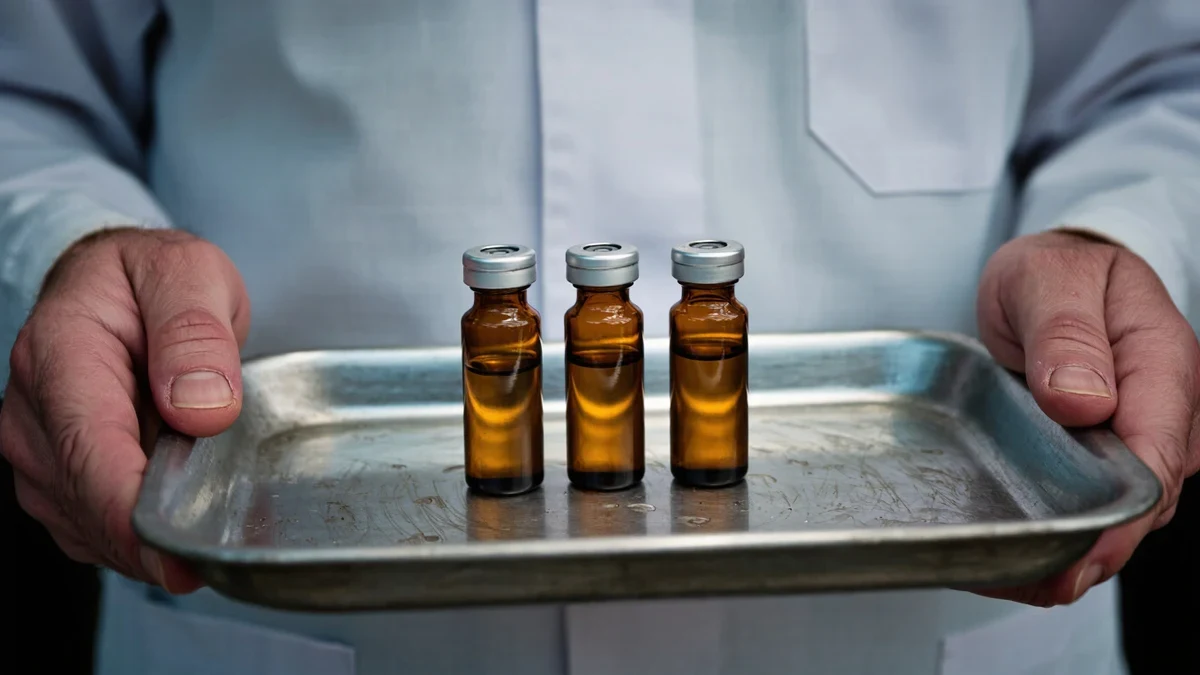
Orphan drug designation is a formal FDA status for drugs and biologics intended for rare diseases, conferring three core incentives: tax credits for qualified clinical trials, exemption from user fees, and potential seven years of market exclusivity after approval, per the FDA's program page.
The FDA has issued a complete response letter for Alvotech's Biologics License Application for AVT05, the company's proposed biosimilar to Simponi and Simponi Aria (golimumab), per a November 2, 2025 company announcement.
Moderna has dosed the first patient in a Phase 1/2 study of mRNA-2808, an investigational mRNA therapy encoding three T-cell engagers, in relapsed or refractory multiple myeloma, per the company's November 3, 2025 announcement.
The three main routes to market a medical device in the United States are the 510(k) premarket notification, the De Novo classification request, and premarket approval.
A platform technology designation is an FDA program, created by section 506K of the Federal Food, Drug, and Cosmetic Act, that lets a sponsor leverage prior data across applications for different drugs built on the same platform.
A companion diagnostic is an in vitro diagnostic or imaging tool that "provides information that is essential for the safe and effective use of a corresponding therapeutic product," in FDA's definition.